how to identify a rotten tree
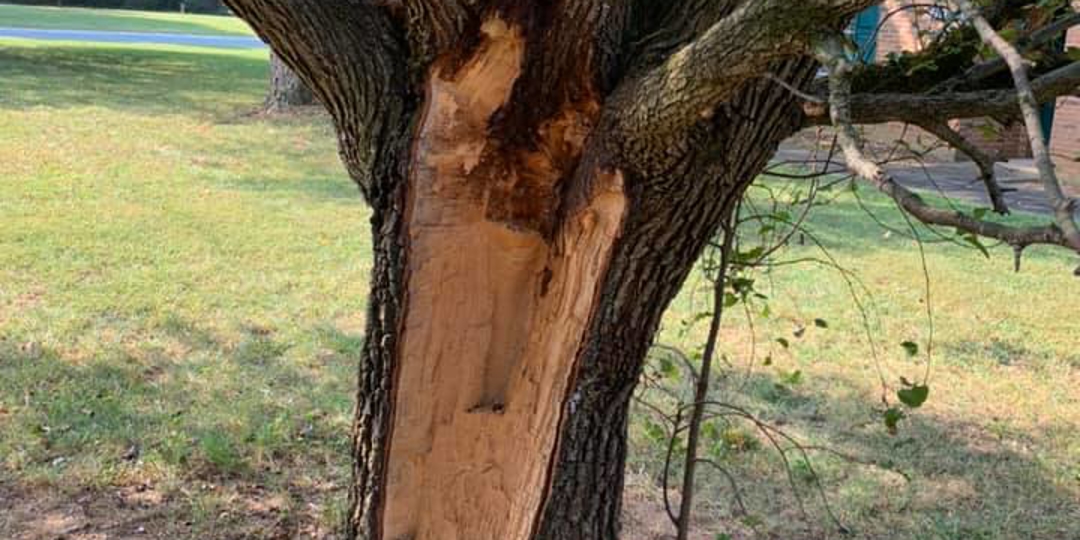
Identifying a rotten tree is a critical skill, especially for property owners, arborists, or hikers who may face safety risks from falling limbs or trees. Recognizing the signs of rot begins with a visual inspection of the tree’s exterior. Look for discoloration or fungi growing on the trunk or branches, as this often indicates internal decay. Mushrooms or bracket fungi, particularly near the base, are telltale signs that the tree’s heartwood may be compromised. Peeling or cracked bark can also signify underlying issues, as healthy trees typically have bark that is tight and resilient. Large cavities or hollows in the trunk are another major warning sign, suggesting that internal wood has decomposed over time. Additionally, dead branches, known as “widow-makers,” can fall unexpectedly and are a clear indicator that parts of the tree are dying or already dead.
Next, examine the root system for signs of instability or decay. Healthy roots anchor a tree firmly in the ground, while rotted roots can cause the tree to lean or sway even in mild winds. A leaning tree, particularly if it wasn’t previously leaning, is a major red flag that the roots are no longer providing adequate support. Check for soil heaving around the base, as this can signal that the tree is struggling to maintain its stability. Soft, spongy areas near the roots often indicate rot and should be treated as an urgent issue. The crown of the tree—its topmost section—can also provide clues about its health. A sparse or uneven canopy, along with discolored or dying leaves, may indicate that the tree is struggling to distribute nutrients and water due to internal decay.
Tapping on the trunk with a solid object like a mallet can further help identify internal rot. A hollow sound often means that the interior wood has decomposed, leaving a cavity. While this test isn’t foolproof, it can provide additional confirmation when paired with other indicators. Similarly, using a small hand tool to gently probe the wood can reveal soft or crumbling areas, which suggest decay. Professional tools, such as a resistograph or an increment borer, can provide more precise measurements of a tree’s internal structure, though these are typically used by certified arborists.
Finally, consider the tree’s species and environment. Some species are more prone to rot than others, particularly if they grow in overly damp or poorly drained soil. Trees that have suffered previous injuries, such as storm damage or improper pruning, are also more likely to develop rot. Regular maintenance, including timely pruning and treatment for pests or diseases, can help prevent decay from taking hold.
In conclusion, identifying a rotten tree involves a combination of visual observation, physical testing, and understanding the tree’s environmental context. By staying vigilant and addressing signs of rot early, property owners and nature enthusiasts can mitigate potential hazards and contribute to the overall health of their landscapes. If you’re unsure about a tree’s condition, consulting a professional arborist is always a wise choice, as they have the expertise and tools to assess the risks accurately and recommend appropriate actions.